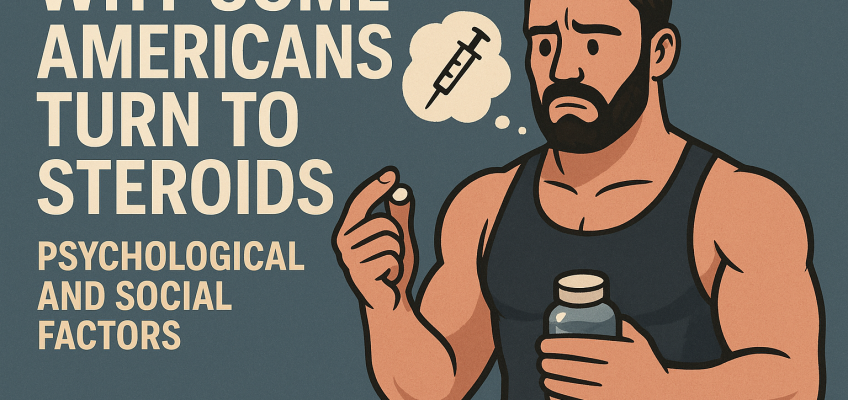
Why Some Americans Turn to Steroids: Psychological and Social Factors
Table of Contents
Introduction
Many Americans continue to experiment with them in pursuit of physical enhancement, athletic performance, or social validation. This trend cannot be explained solely by a desire to gain muscle quickly—its roots lie in deeper psychological and social pressures. Understanding these factors helps reveal why steroid use persists and how society can address it more effectively.
Body Image Pressures and Modern Beauty Standards
In today’s culture, the “ideal” male physique—lean, muscular, and sharply defined—has become increasingly extreme. Popular media, movies, and social platforms often portray exaggerated physiques as attainable through ordinary training and diet.
Many Americans turn to steroids because:
-
They compare themselves to unrealistic images
-
They feel dissatisfied with their natural progress
-
They believe extreme muscularity equals attractiveness
-
They experience pressure to look “Instagram-ready” at all times
These expectations can distort self-image, leading some people to seek rapid, unnatural results.
The Influence of Social Media and Online Fitness Culture
Social media platforms such as Instagram, TikTok, and YouTube intensify appearance-related pressures. Influencers, many of whom do not disclose performance-enhancing drug use, often present their physiques as the result of strict discipline alone.
This creates several problems:
-
Unfair comparisons: Viewers may try to match bodies that require chemical enhancement.
-
Misinformation: Steroid risks are often downplayed or ignored.
-
Normalization: Frequent exposure can make steroid use seem common or harmless.
-
Community influence: Online forums and private groups sometimes glorify “cycles” and risky experimentation.
For impressionable individuals—especially young men—this environment can lead to harmful decisions.
Competitive Pressure in Sports and Fitness
In athletics, bodybuilding, and even recreational sports, performance expectations can push individuals toward drastic choices.
Reasons include:
-
Fear of falling behind competitors
-
Desire to accelerate muscle growth and recovery
-
Perceived necessity to stay competitive in certain sports
-
Pressure from coaches or teammates in rare cases
When winning is tied to identity, reputation, or income, the temptation grows even stronger.
Psychological Factors: Self-Esteem and Identity
For some people, steroids are not just about appearance—they address deeper emotional struggles.
1. Low Self-Esteem
Those who feel inadequate, weak, or invisible may view muscularity as a path to confidence and control.
2. Body Dysmorphia
Muscle dysmorphia (“bigorexia”) is a psychological condition where individuals believe they are too small, regardless of actual size.
3. Need for Validation
Some users crave social approval, compliments, or online engagement. A muscular body becomes a source of:
-
Identity
-
Emotional stability
-
Social power
4. Impulse and Risk Behaviors
People prone to sensation-seeking or impulsive decisions may underestimate long-term health risks.
Social Environment and Peer Influence
Steroid use often emerges in social circles where enhancement is normalized. Examples include:
-
Certain bodybuilding gyms
-
Competitive training groups
-
Online communities
-
Friend circles focused heavily on aesthetics
Peer encouragement, success stories, or simple curiosity can create an environment where trying steroids feels less taboo.
The Desire for Rapid Transformation
Modern culture values quick results—fast weight loss, instant muscle gain, dramatic “before and after” changes. Steroids promise speed, which appeals to:
-
Individuals frustrated with slow natural progress
-
People wanting to transform for an event (competition, vacation)
-
Those feeling pressure to match influencers and celebrities
This mindset prioritizes short-term outcomes over long-term health.
Misunderstanding of Risks
A common contributing factor is misinformation. Many Americans who experiment with steroids:
-
Believe side effects are exaggerated
-
Think they can avoid risks with “smart use”
-
Learn from unverified online sources
-
Underestimate the seriousness of hormonal disruption
Without accurate medical knowledge, the dangers can seem distant or unlikely.
Cultural Associations with Strength and Masculinity
In American culture, physical strength is often tied to masculinity, dominance, and self-worth. Some men turn to steroids because they feel these traits are necessary to succeed socially or professionally.
Steroids become a way to embody:
-
Confidence
-
Power
-
Competence
-
Respect from peers
This cultural expectation can amplify the pressure to enhance one’s physique.
Conclusion
The decision to use anabolic steroids in the U.S. is rarely driven by a single factor. Instead, it emerges from a complex mix of psychological vulnerability, cultural expectations, peer influence, and digital pressures. Understanding these motivations is essential for developing effective prevention strategies and promoting healthier attitudes toward fitness and body image.
As awareness grows and conversations become more transparent, society can support individuals in choosing safer, more sustainable paths to physical and mental well-being.