TRT in 2026: When to Start Testosterone Replacement Therapy, Optimal Protocols, Costs, and How to Avoid Mistakes
Testosterone Replacement Therapy (TRT) continues to gain popularity in 2026 as more men seek solutions for low energy, reduced muscle mass, low libido, and other symptoms of low testosterone. With updated FDA guidance and evolving clinical practices, TRT is becoming more accessible — but starting it correctly is crucial for safety and results.
This guide covers when to consider TRT, the safest and most effective protocols in 2026, realistic costs, expected benefits, and the most common mistakes to avoid.
Table of Contents
When to Start TRT: Symptoms and Diagnostic Criteria in 2026
TRT is not for everyone. Current guidelines from the American Urological Association (AUA) and Endocrine Society recommend starting therapy only if you have both consistent symptoms of low testosterone and confirmed low blood levels.
Common Symptoms of Low Testosterone:
- Chronic fatigue and low energy
- Decreased libido and erectile dysfunction
- Loss of muscle mass and strength
- Increased body fat (especially around the belly)
- Mood changes, irritability, or depression
- Brain fog and poor concentration
- Reduced bone density or joint issues
- Poor recovery from workouts and sleep disturbances
Diagnostic Thresholds:
- Total testosterone below 300 ng/dL (AUA guideline) on two separate morning blood tests (taken between 7–10 AM, ideally fasting).
- Some experts use a slightly lower cutoff of 264 ng/dL depending on the lab and individual factors.
- Free testosterone and SHBG should also be checked in borderline cases.
Who Should NOT Start TRT:
- Men planning near-term fertility (without fertility-preserving options like hCG)
- Active prostate or breast cancer
- Uncontrolled sleep apnea
- Severe untreated heart conditions or recent cardiovascular events
- Hematocrit already above 48–50%
If you’re under 30–35, natural optimization (sleep, training, diet, weight loss) should be tried first, as age-related decline typically accelerates after 35–40.
Pro Tip: Get a full hormone panel including Total & Free Testosterone, Estradiol (sensitive assay), CBC (hematocrit/hemoglobin), PSA, LH/FSH, Prolactin, Lipid Profile, and Thyroid before any decision.
Optimal TRT Protocols in 2026
The goal of modern TRT is to restore testosterone to the mid-normal range (typically 500–900 ng/dL) while minimizing side effects and keeping levels stable.
Most Common and Effective Options:
- Injectable Testosterone (Gold Standard for Most Men)
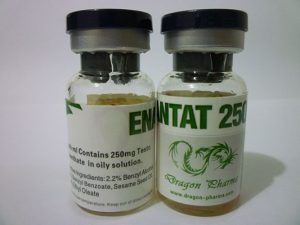
- Testosterone Cypionate or Enanthate
- Typical starting dose: 100–150 mg per week (split into 2 injections, e.g., Monday & Thursday)
- Many men do well on 80–120 mg/week; higher doses (150–200 mg) only if needed and monitored
- Subcutaneous (SubQ) microdosing (daily or every other day with insulin syringes) is increasingly popular for even more stable levels and fewer peaks/troughs.
- Topical Gels or Creams
- Daily application (e.g., 50–100 mg)
- Convenient but more expensive and risk of transfer to others.
- Newer Oral Options
- KYZATREX® and similar FDA-approved oral testosterone — gaining traction for those who hate injections.
- Pellets or Other Long-Acting Forms
- Implanted every 3–6 months (less flexible for dose adjustments).
Monitoring Schedule:
- Baseline labs
- First follow-up at 6–8 weeks
- Then every 3–6 months initially, and annually once stable
- Target: Mid-normal testosterone, healthy estradiol (20–40 pg/mL), hematocrit <52–54%
Many clinics now emphasize individualized dosing over one-size-fits-all protocols.
Realistic Costs of TRT in 2026
Costs vary widely depending on the country, provider (online clinic vs. local doctor), and formulation. Here are approximate figures (USD):
- Injectable Testosterone — $20–100 per month (generic cypionate/enanthate is the cheapest)
- Topical Gels/Creams — $200–500 per month
- Oral Testosterone — $200–400+ per month
- Online TRT Clinics (including consults, labs, and shipping) — $100–300 per month total for many patients
- Initial Consultation + Labs — $200–500 one-time
In the US and Europe, self-pay or cash-pay clinics are common. Insurance coverage is possible if you have a clear medical diagnosis of hypogonadism, but many plans still limit or deny it for age-related decline. In some countries, costs can be significantly lower through compounding pharmacies or international options.
Long-term: Budget for regular bloodwork ($100–300 per panel) and potential ancillaries (e.g., blood donation or medications for side effects).
Expected Benefits and Timeline
When properly dosed and combined with good lifestyle habits, many men report:
- Improved energy and motivation within 3–6 weeks
- Better mood, libido, and sexual function by 6–12 weeks
- Increased muscle mass and strength (with training) over 3–6 months
- Reduced body fat and better body composition
- Improved sleep and cognitive clarity
Results are highly individual. TRT works best as an amplifier of healthy habits — not a replacement for them.
How to Avoid Common TRT Mistakes in 2026
Here are the biggest pitfalls and how to dodge them:
- Starting Without Proper Bloodwork Never begin based on symptoms alone. Confirm low T with two morning tests and rule out other causes (thyroid issues, sleep apnea, etc.).
- Using Too High a Dose More is not better. Starting at 200+ mg/week often leads to unnecessary side effects. Begin conservatively and titrate based on labs and how you feel.
- Crashing Estrogen with Aromatase Inhibitors (AIs) Many men do not need AIs. Estrogen is important for bone health, mood, and libido. Only use if bloodwork shows genuinely high estradiol with symptoms — and use the lowest effective dose.
- Ignoring Hematocrit and Blood Thickness TRT can raise red blood cell count. Monitor hematocrit regularly. Manage with hydration, cardio, lower dose if needed, or therapeutic blood donation.
- Neglecting Fertility TRT suppresses natural production and sperm count. If you want kids soon, discuss hCG or enclomiphene with your doctor beforehand.
- Poor Injection Technique or Unstable Protocol Frequent small injections (twice weekly or more) usually feel better than one big shot every two weeks.
- Buying from Unreliable Sources Always use legitimate medical channels. Underground or black-market testosterone carries purity and legal risks.
- Expecting Miracles Without Lifestyle Changes TRT + poor sleep, bad diet, and no training = mediocre results.
Conclusion
TRT in 2026 can be life-changing for men with clinically low testosterone and troubling symptoms — but only when approached responsibly with proper diagnosis, monitoring, and realistic expectations.
Focus on finding a knowledgeable provider who emphasizes bloodwork, individualized dosing, and long-term health rather than quick fixes. Combine TRT with strength training, quality sleep, stress management, and a nutrient-rich diet for the best outcomes.
If you’re experiencing symptoms of low T, start with comprehensive lab testing and a consultation with a men’s health specialist. Your future self will thank you for doing it the right way.