The Role of Social Media in Promoting Steroid Culture in the U.S.
Table of Contents
Introduction
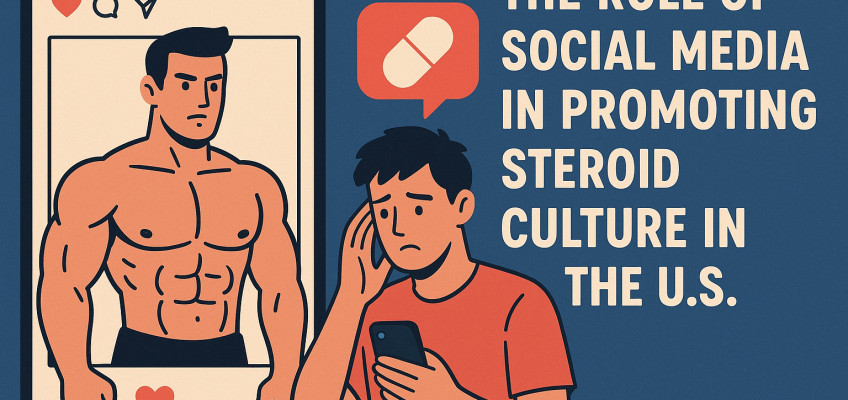
Over the past decade, social media has reshaped body image norms in the United States, amplifying trends in fitness, bodybuilding, and physique enhancement. While these platforms can inspire healthy habits, they have also contributed to the growing visibility and normalization of steroid use. Today, millions of Americans—especially young men—are exposed daily to content that idealizes extreme physiques that are often unattainable without performance-enhancing drugs. This article explores how social media influences the rise of steroid culture in the U.S., the risks associated with this trend, and what can be done to counter its negative effects.
The Visual Environment: Unrealistic Body Standards
Platforms like Instagram, TikTok, and YouTube are inherently visual. Their design rewards striking, eye-catching images—often of hyper-muscular, low-body-fat physiques. Algorithms prioritize:
-
Fitness influencers with dramatic body transformations
-
“Before and after” videos
-
Highly edited or enhanced photos
-
Content that creates a sense of aspiration or envy
Because these images receive high engagement, they become more visible, reinforcing unrealistic expectations about what a “fit” body should look like.
Influencers and the “Shortcut Culture”
Many prominent fitness influencers present themselves as natural athletes, even when using performance-enhancing drugs. This lack of transparency can mislead audiences into believing that extreme physiques can be built quickly through supplements or training programs alone.
Influencers shape the narrative through:
-
Product endorsements without disclosing personal steroid use
-
Training programs marketed as the reason for their appearance
-
Normalizing conversations that trivialize the risks of steroids
-
Content encouraging fast results rather than gradual progress
This creates a “shortcut culture” where young viewers feel pressured to chase rapid transformation at any cost.
The Rise of “Secret Communities”
Social media has also enabled private or semi-private channels where steroid culture thrives. Examples include:
-
Closed Facebook groups
-
Reddit communities
-
Discord servers
-
Private Instagram accounts
In these spaces, users often share anecdotes, personal experimentation stories, and misinformation, which can encourage dangerous behavior without medical oversight. The anonymity of the internet removes social stigma and emboldens people to attempt risky practices.
Targeting Younger Audiences
Teens and young adults represent one of the most vulnerable groups. With the average age of steroid experimentation dropping in recent years, social media’s role is significant. Young users are especially susceptible because:
-
They are still developing body image
-
They may not fully understand health risks
-
They compare themselves to influencers they admire
-
They tend to underestimate long-term consequences
The combination of impressionability and constant exposure to idealized physiques creates an environment where experimentation seems appealing.
The Influence of “Fitness Trends”
Social media trends often push extreme aesthetic goals such as:
-
“Greek god physique”
-
“Dry shredded look”
-
“Summer shred challenge”
-
“Movie-star transformation in 6 weeks”
These trends frequently reference actors or influencers who underwent rapid body changes—sometimes with the help of medically supervised drugs like testosterone or HGH. When the context is omitted, viewers may assume such transformations are natural or easily achievable.
Health Risks Often Hidden
One of the most troubling aspects of social media’s steroid culture is the lack of transparency about risks. Most steroid-related content on social platforms:
-
Downplays or ignores health consequences
-
Frames side effects as minor or reversible
-
Promotes unverified “harm-reduction” claims
-
Fails to emphasize medical supervision
In reality, non-medical steroid use carries serious risks, including hormonal disruption, cardiovascular issues, psychiatric symptoms, and long-term organ damage.
The Role of Social Pressure and Validation
Social media encourages comparison. Likes, comments, and followers act as a form of validation that reinforces extreme behavior. For some users, achieving a specific look becomes tied to:
-
Self-worth
-
Online identity
-
Social status
-
Income (for influencers)
This pressure fuels the perception that appearance is more valuable than health.
What Can Be Done?
Addressing this issue requires involvement from multiple groups:
1. Platforms
-
Stricter enforcement against content promoting illegal steroid sales
-
Better labeling of digitally altered images
-
Age restrictions on sensitive fitness content
2. Influencers
-
Encouraging transparency about enhancement
-
Promoting realistic fitness goals
-
Raising awareness about health risks
3. Schools and Parents
-
Teaching media literacy
-
Discussing body image and unrealistic expectations
-
Encouraging healthy fitness habits
4. Medical and Public Health Organizations
-
Publishing accessible educational content
-
Debunking myths circulating online
Conclusion
Social media plays a powerful role in shaping modern fitness culture in the United States. While these platforms provide valuable inspiration for many, they also amplify unrealistic body standards and normalize risky behaviors such as non-medical steroid use. By prioritizing transparency, education, and healthier fitness narratives, society can begin to counter the negative effects of this growing trend.