Trenbolone vs. Testosterone: Which Is More Effective?
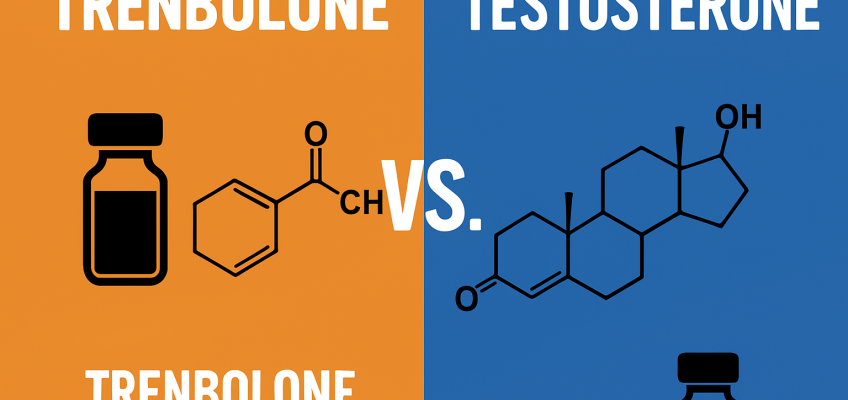
When discussing anabolic steroids, Trenbolone and Testosterone often appear at the top of comparison charts. Both substances have powerful effects on muscle tissue, strength, and body composition — but they differ drastically in their risk profiles, biological roles, and long-term consequences.
This article examines how they compare without promoting use, focusing on science, real-world impact, and safety considerations.
Table of Contents
1. What Are Trenbolone and Testosterone?
Testosterone
Testosterone is a naturally occurring hormone produced by the human body. It regulates:
-
muscle growth
-
libido
-
mood
-
bone density
-
energy levels
-
overall metabolic function
Medically, synthetic testosterone is prescribed for hormone replacement therapy (HRT) in individuals with clinically low testosterone levels.
Trenbolone
Trenbolone is a synthetic anabolic steroid originally created for veterinary use. It was never approved for human medical treatment. Tren is known for being:
-
extremely anabolic
-
extremely androgenic
-
significantly stronger than testosterone
Because of these traits, it’s associated with dramatic physical effects — but also dramatic side effects.
2. Muscle-Building Effects
Testosterone: Balanced, Predictable, Natural Hormone
When testosterone levels increase, the body responds in ways that generally align with natural physiology. Benefits may include:
-
moderate muscle gain
-
improved strength
-
enhanced recovery
-
better mood and energy
Its effects are strong but manageable because the body is biologically designed to use testosterone.
Trenbolone: Rapid and Intense Changes
Trenbolone is often cited as one of the most potent anabolic agents. Users report:
-
rapid muscle hardness
-
accelerated lean mass growth
-
dramatic strength increases
-
reduced water retention
These effects are significantly stronger than what testosterone produces — but they come with a cost.
3. Side Effects and Risks
Testosterone Risks (in supraphysiological use):
-
acne
-
hair loss (genetic)
-
mood changes
-
fertility suppression
-
increased cardiovascular strain
While still potentially dangerous when misused, testosterone is generally considered the “safer” anabolic steroid because it’s a natural hormone with medical applications.
Trenbolone Risks: Severe and Often Unpredictable
Trenbolone is associated with some of the harshest side effects in the steroid world:
Physiological Risks
-
significant cardiovascular strain
-
elevated blood pressure
-
major cholesterol disruption
-
night sweats
-
insomnia
-
potential kidney and liver stress
Psychological Risks
-
severe aggression (“tren rage”)
-
anxiety and irritability
-
sleep disturbances
-
mood swings
Hormonal Risks
-
total suppression of natural testosterone
-
prolonged recovery difficulty
-
increased prolactin-related effects (gynecomastia risk, libido issues)
In short: Trenbolone’s risks are far greater than its muscle-building benefits.
4. Which Is More Effective?
For Muscle Growth:
Trenbolone is more potent, producing faster and more dramatic changes.
For Overall Health and Sustainability:
Testosterone is far safer, especially when medically supervised.
For Anyone Concerned About Long-Term Health:
Neither should be used recreationally.
But if comparing purely on harm reduction, testosterone — in medical contexts — is the only viable option.
5. The Bottom Line
-
Trenbolone is stronger, but also significantly more dangerous.
-
Testosterone is safer, especially when used under medical guidance for legitimate conditions.
-
For long-term health, mental stability, and quality of life, testosterone is the only rational choice between the two — and only when medically necessary.