
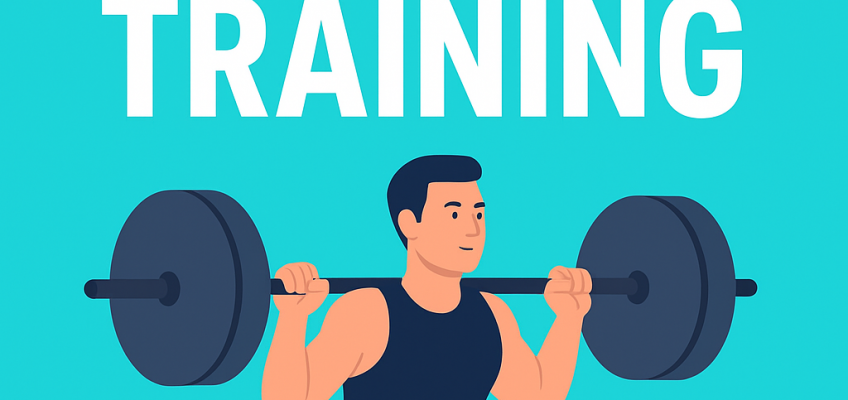
The Ultimate Beginner’s Guide to Strength Training
Strength training is one of the most effective ways to improve your health, build muscle, boost metabolism, and increase overall physical performance. But for beginners, the gym can feel overwhelming — loud weights, unfamiliar machines, and tons of conflicting advice.
This guide gives you a clear, simple, science-backed starting point so you can train safely, effectively, and confidently from day one.
Table of Contents
What Is Strength Training?
Strength training involves exercises that make your muscles work against resistance.
This resistance can come from:
-
Free weights (dumbbells, barbells)
-
Machines
-
Bodyweight
-
Resistance bands
-
Kettlebells
The primary goals for beginners are to:
✔ build strength
✔ learn proper technique
✔ increase muscle mass
✔ improve joint stability and mobility
Benefits of Strength Training
Strength training provides full-body benefits such as:
⭐ 1. Muscle Growth & Improved Shape
Creates a leaner, more defined physique.
⭐ 2. Increased Strength
Everyday activities become easier.
⭐ 3. Faster Metabolism
More muscle means you burn more calories — even at rest.
⭐ 4. Stronger Bones & Joints
Reduces the risk of injuries and long-term health issues.
⭐ 5. Better Mental Health
Strength training reduces stress and boosts confidence.
Strength Training Basics Every Beginner Should Know
1. Learn Proper Form First
Technique is everything. Poor form increases injury risk and reduces effectiveness.
Start with lighter weights until you’re confident.
2. Prioritize Compound Movements
These exercises work multiple muscle groups at once:
-
Squats
-
Deadlifts
-
Bench press
-
Overhead press
-
Rows
-
Pull-ups or lat pulldowns
They build the fastest strength foundation.
3. Train 2–4 Times per Week
Beginners grow best with moderate frequency and proper recovery.
4. Focus on Progressive Overload
To get stronger, you must gradually increase:
-
Weight
-
Reps
-
Sets
-
Tempo
-
Training intensity
Small improvements lead to big results over time.
5. Don’t Skip Warm-Ups
A proper warm-up prepares your muscles and reduces injury risk.
Example warm-up:
-
5 minutes light cardio
-
Dynamic stretches (leg swings, arm circles)
-
Light sets of your first exercise
Beginner-Friendly Strength Training Workout Routine
Full-Body Routine (3 Days/Week)
Day 1 / Day 3 / Day 5
1. Squat — 3×8
Quads, glutes, core
2. Dumbbell Bench Press — 3×8
Chest, triceps, shoulders
3. Bent-Over Row — 3×8
Back, biceps
4. Dumbbell Shoulder Press — 3×10
Shoulders, triceps
5. Romanian Deadlift — 3×10
Hamstrings, glutes, lower back
6. Plank — 3×30 seconds
Core stability
How Much Weight Should Beginners Use?
Use the “RPE 7 rule” (Rate of Perceived Exertion).
You should finish each set feeling like you could still do 2–3 more reps with correct form.
If an exercise feels too easy → increase weight slightly.
If your form breaks down → decrease weight.
Common Mistakes Beginners Should Avoid
❌ Lifting too heavy too fast
❌ Skipping warm-ups
❌ Training only upper body
❌ Poor form
❌ Not resting enough
❌ Comparing yourself to others
Strength training is a personal journey — stay consistent and patient.
Nutrition Tips for Beginners
-
Aim for 0.7–1g of protein per pound of bodyweight
-
Eat whole, nutrient-dense foods
-
Drink enough water
-
Ensure a slight calorie surplus if you want muscle growth
-
Prioritize quality sleep (7–9 hours)
Nutrition fuels your strength gains.
How Long Until You See Results?
Most beginners see improvements in:
-
Strength: 1–2 weeks
-
Muscle tone: 3–6 weeks
-
Visual muscle growth: 8–12 weeks
-
Major physique changes: 3–6 months
Consistency > intensity.
Conclusion
Strength training doesn’t have to be complicated. Start with basic movements, focus on progressive overload, fuel your body well, and stay consistent.
Within just a few weeks, you’ll feel stronger, more confident, and more energized — setting the foundation for lifelong fitness success.